

Marketing Food Online Youtube Channel For Food Businesses
The Evolution of Food Trucks: From Ice Cream Vans to Gourmet Meals on Wheels
Posted by Damian Roberti on


The Evolution of Food Trucks: From Ice Cream Vans to Gourmet Meals on Wheels The clang of a bell, the distant melody of a jingle, and the unmistakable hum of an engine. For many, these sounds evoke nostalgic memories of rushing to the curb, coins in hand, ready to purchase a cold treat from the local ice cream van. However, the modern streetscape has transformed. Today, these sounds might just as easily herald the arrival of a gourmet meal on wheels. The food truck business has undergone a remarkable metamorphosis over the decades,...
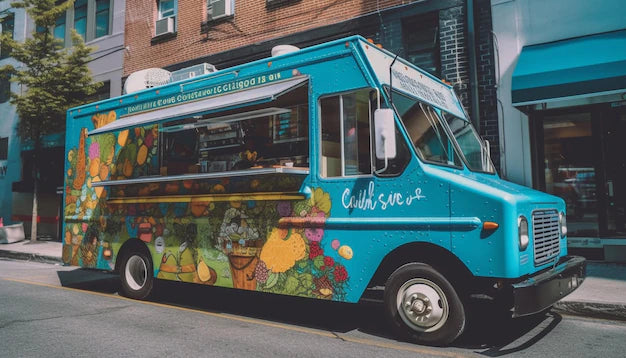
Can I Park my food truck anywhere in Michigan?
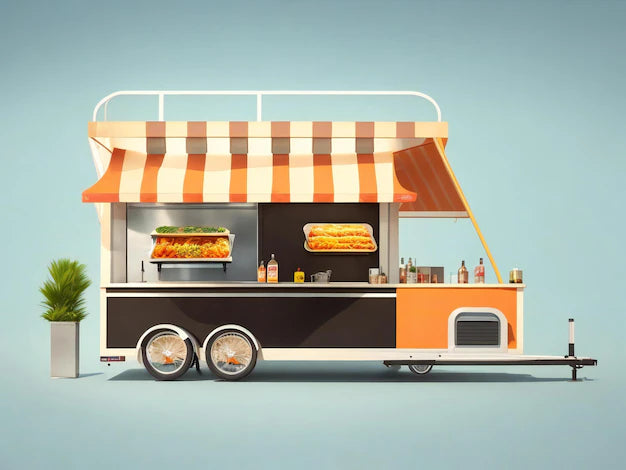
How to start a food cart business in Alabama
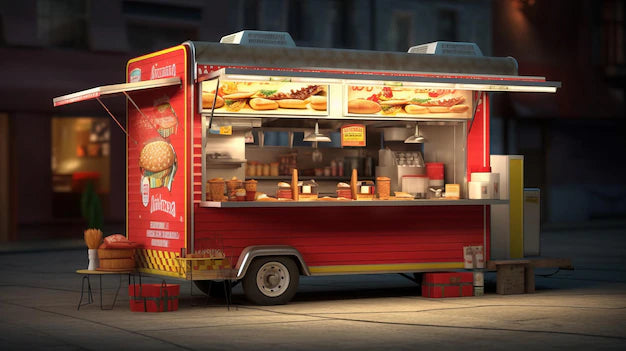
Can I Park My Food Truck Anywhere in Maine
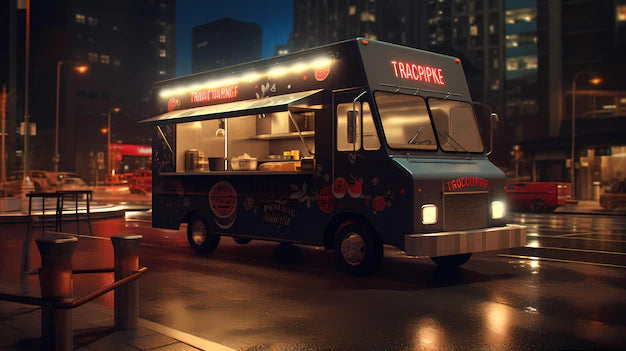
Can I park my Food Truck Anywhere in Louisiana
How to start a food cart business in Alabama
Posted by Damian Roberti on


How to start a food cart business in Alabama
Can I Park My Food Truck Anywhere in Maine
Posted by Damian Roberti on


Can I Park My Food Truck Anywhere in Maine
Can I park my Food Truck Anywhere in Louisiana
Posted by Damian Roberti on


Can I park my Food Truck Anywhere in Louisiana
Can I Park my food truck anywhere in Michigan?
Posted by Damian Roberti on


Can I Park My Food Truck Anywhere in Michigan?
The food truck industry, with its vibrant colors, eclectic menus, and the promise of gourmet food on the go, has taken the culinary world by storm. Michigan, with its diverse population and rich culinary traditions, is no exception. From the bustling streets of Detroit to the serene shores of Lake Michigan, food trucks have found a warm welcome. However, as with any business, there are rules to the game. One of the most pressing concerns for many food truck entrepreneurs in the Great Lakes State is: Can I park my food truck anywhere in Michigan?
Michigan's Food Truck Scene: A Glimpse
Michigan's food truck industry has witnessed exponential growth over the past decade. Cities like Detroit, Grand Rapids, and Ann Arbor have become hotspots for these mobile culinary ventures. The state's unique blend of urban centers, college towns, and tourist destinations offers a plethora of opportunities. Yet, the question of parking remains a significant consideration.